Blocked drains
Practical help for slow, blocked or overflowing household drains, with the cause investigated before longer-term work is recommended.
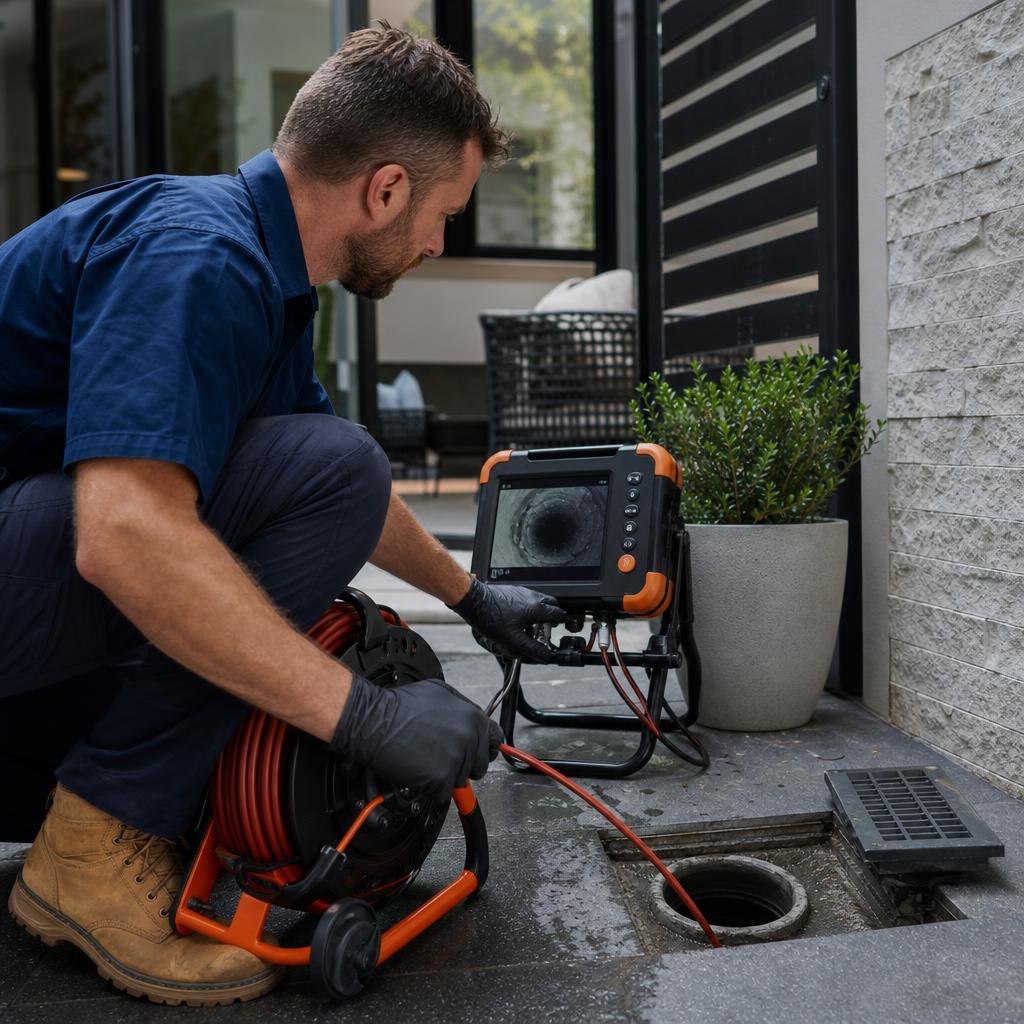
A blocked drain can begin as a slow sink or gurgling toilet and develop into an overflow that affects several rooms. Civic Plumbing Australia assesses the pattern first: which fixtures are affected, when symptoms began, whether an outdoor gully is rising and whether the problem changes when another tap or toilet is used. Those details help distinguish a local fixture blockage from a restriction deeper in a sewer or stormwater line.
The immediate aim is to restore safe flow without disguising the underlying problem. Access, pipe condition and the material causing the obstruction all influence the right method. Civic explains what was found, whether the drain could be inspected after clearing and what evidence would justify repair rather than repeated clearing. Service locations are within approximately one hour's travel of Sydney CBD, subject to traffic, job urgency and availability.
Our Process
Describe the symptoms
Civic asks which fixtures are slow or overflowing, what triggers the problem and whether sewage, stormwater or an electrical hazard is present.
Inspect and locate
Accessible fixtures, gullies and inspection openings are checked to narrow the affected section before clearing equipment is selected.
Clear and investigate
The restriction is approached with a method suited to the pipe and access. Where practical, inspection helps identify defects or recurring causes.
Test and explain
Fixtures are run in a controlled sequence, findings are explained and any repair, maintenance or monitoring options are set out.
What to Expect
Before the visit, stop using fixtures that make the level rise. Keep children and pets away from wastewater, and do not add caustic drain chemicals or combine products. If a cleaner has already been used, tell Civic what it was and when it was applied. Clear belongings from beneath sinks and provide any drainage plans, prior CCTV footage or history of tree-root problems. In strata property, notify the building contact if common pipes or neighbouring lots may be involved.
Diagnosis starts with the behaviour of the whole system rather than the noisiest fixture. A single slow basin may be confined to its trap or branch; several fixtures reacting together may indicate a downstream restriction. Sewer and stormwater systems are separate, so wet-weather symptoms, sewage odour and the location of external pits matter. A camera is useful only when the line is sufficiently clear and accessible, and footage shows visible condition rather than every concealed defect.
Clearing restores a passage, but it does not repair a cracked, displaced or root-affected pipe. If damage is found, Civic will explain the location, practical access constraints and why a particular next step is being discussed. Depending on evidence, that may be monitoring, another inspection, local excavation or a separately planned repair. No structural solution should be chosen solely because a blockage recurred; the pipe route and defect need to be understood.
Do not open inspection points under pressure, enter pits or work around contaminated water. If sewage is spreading, water is near electricity, a ceiling is unstable or the blockage appears to affect a public main, isolate the area and seek the appropriate emergency help. After service, avoid treating wipes, fats, building debris or garden roots as problems that routine chemicals can safely solve.
Frequently Asked Questions
- Can every blocked drain be cleared on the first visit?
- Not always. Access may be unavailable, a pipe may be collapsed, or a restriction may sit beyond the private service. Civic will explain what prevented clearing and the next evidence-based step.
- Does a cleared drain still need CCTV inspection?
- It can be useful after a recurring blockage, root removal or signs of pipe damage. It may be unnecessary for an isolated, clearly local obstruction. The condition and history guide the decision.
- Should I pour drain cleaner into a slow drain?
- Avoid caustic or mixed products. They can injure people, damage some materials and leave hazardous liquid for anyone opening the drain. Stop use and arrange assessment if simple, safe cleaning of a removable strainer does not help.
- Who handles a blockage in an apartment building?
- Responsibility depends on where the restriction is and what the pipe serves. Tell the strata manager early, record the affected lots and avoid operating common valves or entering service areas without authority.